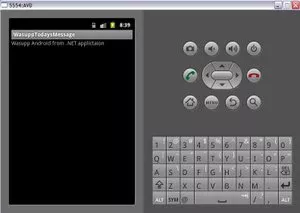
AndroidArticlesFeaturedMobile Computing Invoke webservices from Android by Navveen share This is ongoing blog on Getting Started with Android. In earlier blog, I provided an architecture overview of android application, read more
AndroidArticlesFeaturedMobile ComputingUpcoming technology trends and reviews Getting Started with Android – Creating Android Application by Navveen share This is ongoing blog on Getting Started with Android. In earlier blog, I provided an architecture overview of android application. read more
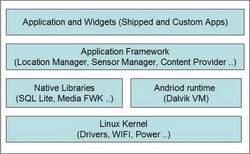
AndroidArticlesFeaturedMobile Computing Getting Started with Android by Navveen share Android is an open source development platform for mobile phones based on Linux, created by Google and Open Handset Alliance. read more
ArticlesMobile Computing Deliver XHTML applications to mobile devices by Navveen share In this tutorial, you'll learn how to deliver XHTML applications to XHTML-enabled mobile devices. We will develop a sample XHTML read more
ArticlesMobile Computing Build a smart J2ME mobile application tutorial Part 2 by Navveen share This tutorial series shows how to build a mobile database application using the J2ME Record Management System and later synchronize read more
ArticlesMobile Computing Build a smart J2ME mobile application tutorial Part 1 by Navveen share This tutorial is the first in a two-part series designed as a step-by-step guide to building a smart J2ME mobile read more
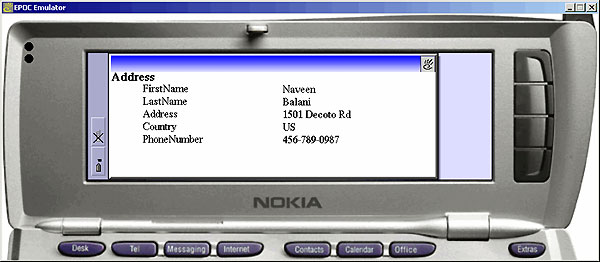
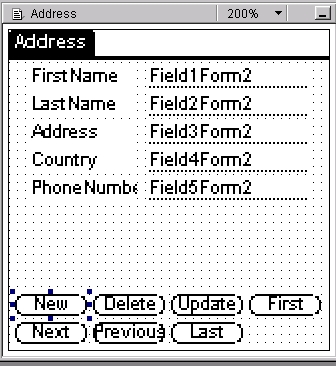
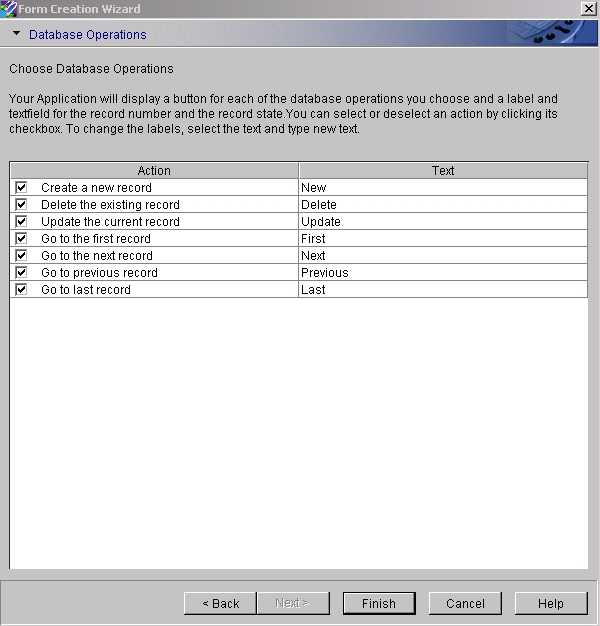
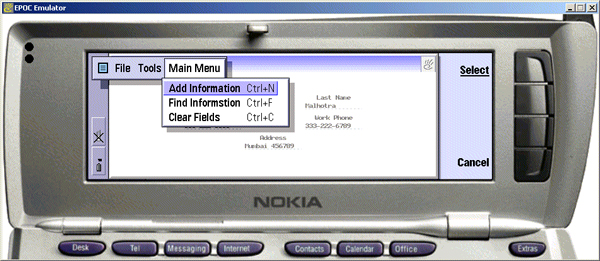
ArticlesMobile Computing EPOC Mobile Tutorial by Navveen share In this article , we will look at how to create Java applications on EPOC-based devices. We will build a read more